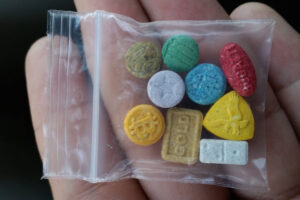

The history of Ecstasy: From medicine to recreational use
Ecstasy, scientifically known as MDMA (3,4-methylenedioxymethamphetamine), has a fascinating history, ranging from its medical origins to its current association with recreational use. Exploring the historical trajectory of this psychoactive substance provides insights into its development and societal impact.
The beginnings of medicine
Originally synthesized in 1912 by the German pharmaceutical company Merck, MDMA was not immediately recognized for its psychoactive effects. Instead, it was researched for potential pharmaceutical applications but neglected due to its limited significance. Its properties resurfaced in the 1970s when chemist Alexander Shulgin rediscovered MDMA’s psychoactive potential, leading to its use in therapeutic settings.
Therapeutic potential and use in leisure activities
During the late 1970s and early 1980s, MDMA gained importance among psychotherapists due to its perceived ability to enhance empathy and communication in therapy sessions. Simultaneously, its recreational use increased in club scenes, where it gained popularity for its euphoric and empathogenic effects. This dual identity—as a therapeutic tool and as a recreational drug—shaped the evolution of MDMA.
Legal status and cultural changes
The increasing recreational use of ecstasy led to heightened attention from regulatory authorities. In the mid-1980s, due to concerns about its potential for abuse, MDMA was classified as a Schedule I controlled substance in several countries, including the United States. This legal classification had significant implications for its availability and research opportunities.
Current use and revival of research
Despite legal restrictions, MDMA has maintained its position in the recreational sector, albeit within the context of legal scrutiny. Recently, however, there has been renewed interest in exploring MDMA’s therapeutic potential. Clinical trials of MDMA -assisted therapy for PTSD and other mental health conditions have shown promising results, reigniting discussions about its medical applications.
Societal impact and outlook
The history of ecstasy encompasses a complex interplay between medical research, recreational use, legal regulations, and evolving societal perceptions. Its past as a therapeutic agent and present as a recreational drug underscore the need for a nuanced discussion about drug policy, mental health, and the potential benefits in relation to the risks of its use.
Conclusion
Tracing the history of ecstasy reveals its journey from overlooked pharmaceutical origins to a prominent position in both therapeutic research and recreational use. Understanding this evolution is crucial for contextualizing discussions about its legality, societal impact, and potential future applications.
For a more in-depth exploration of this topic, the following reputable sources may be helpful: