
Does lorazepam help with anxiety attacks?
Panic attacks can strike like a bolt from the blue, leaving you gasping for air and your heart racing. 😰 For those grappling with anxiety, these moments can feel like an endless nightmare. But what if there was a way to regain control? Enter Lorazepam – a medication that’s been making waves in anxiety management.
As someone who’s walked the tightrope of anxiety, I know firsthand the desperate search for relief. That’s why I’m sharing my journey with Lorazepam – the highs, the lows, and everything in between. 🎢 Whether you’re considering medication or simply curious about anxiety management options, this blog post will shed light on the role Lorazepam plays in taming the anxiety beast. Does lorazepam help with anxiety attacks
Join me as we dive into the world of anxiety attacks, explore how Lorazepam works its magic, and uncover why it’s often considered a ‘last resort’ option. We’ll also address common questions about mental health medications and point you towards valuable resources. Ready to take control of your anxiety? Let’s embark on this journey together! 💪🧠
Anxiety and panic attacks
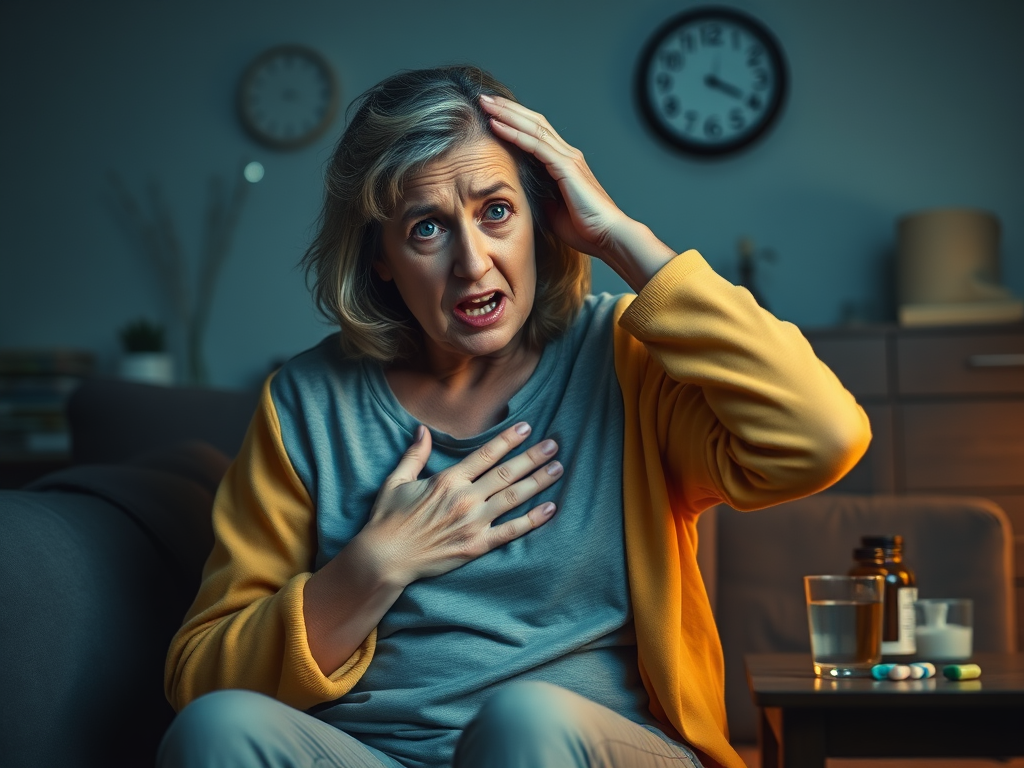
Understanding Anxiety and Panic Attacks
Anxiety and panic attacks are common mental health issues that can significantly impact daily life. While everyone experiences occasional anxiety, persistent or intense feelings of fear and worry may indicate an anxiety disorder.
Types of Anxiety Disorders
Here’s a brief overview of common anxiety disorders:
| Disorder | Key Characteristics |
|---|---|
| Generalized Anxiety Disorder (GAD) | Persistent worry about various aspects of life |
| Social Anxiety Disorder | Fear of social situations and interactions |
| Panic Disorder | Recurring unexpected panic attacks |
| Specific Phobias | Intense fear of particular objects or situations |
Symptoms of Panic Attacks
Panic attacks can be frightening experiences. Common symptoms include:
- Rapid heartbeat
- Shortness of breath
- Chest pain or discomfort
- Sweating
- Trembling or shaking
- Feeling of impending doom
Understanding these symptoms can help individuals recognize when they’re experiencing a panic attack and seek appropriate help.
Now that we’ve explored the basics of anxiety and panic attacks let’s delve into how medications like lorazepam can help manage these conditions.
does lorazepam help with anxiety attacks?

Does lorazepam help with anxiety attacks?
Lorazepam can effectively alleviate anxiety attacks by calming the central nervous system. It works quickly to reduce symptoms like rapid heartbeat, sweating, and shortness of breath. While it provides fast relief, it’s important to use lorazepam only as prescribed due to potential side effects and risk of dependence.
My experience of taking lorazepam

My Personal Journey with Lorazepam
Initial Hesitation and Consultation
When I first considered taking lorazepam, I was hesitant. Like many, I had concerns about medication for mental health. After consulting with my doctor, I learned about its benefits and potential side effects.
Dosage and Administration
My doctor prescribed a low dose to start:
| Dosage | Frequency | Method |
|---|---|---|
| 0.5 mg | As needed | Oral tablet |
Immediate Effects
The effects of lorazepam were noticeable within 30-60 minutes:
- Reduced physical symptoms (rapid heartbeat, sweating)
- Decreased racing thoughts
- Improved ability to focus
Long-term Impact
Over time, I observed:
- Better management of panic attacks
- Increased confidence in anxiety-inducing situations
- Improved overall quality of life
However, it’s crucial to note that lorazepam is not a cure-all. It works best when combined with therapy and lifestyle changes.
Challenges and Side Effects
While generally effective, I experienced some challenges:
- Drowsiness, especially initially
- Potential for dependence if used frequently
These experiences underscore the importance of using lorazepam responsibly and under medical supervision. As we’ll explore next, it’s often considered a ‘last resort’ medication due to these factors.
A ‘last resort’ medication
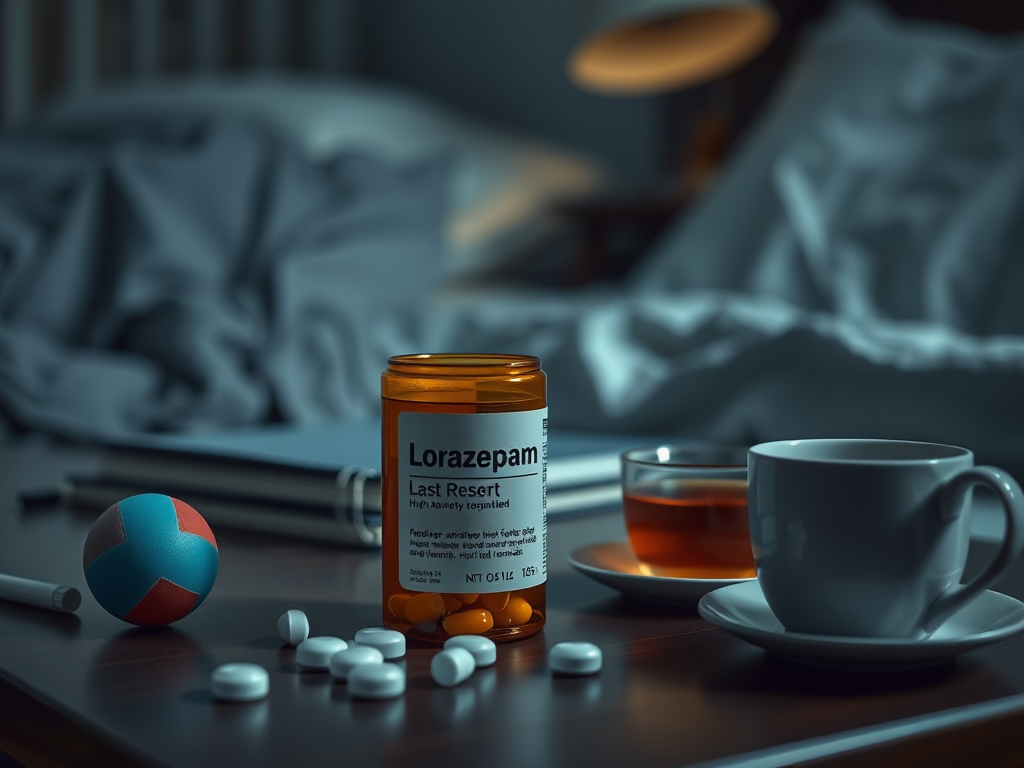
Does lorazepam help with anxiety attacks?
Lorazepam is often considered a ‘last resort’ medication for anxiety management due to its potent effects and potential for dependence. This classification stems from its powerful anxiolytic properties and the need for careful administration.
Reasons for ‘last resort’ status
- Short-term use: Lorazepam is typically prescribed for short-term relief, usually not exceeding 2-4 weeks.
- Risk of dependence: Prolonged use can lead to physical and psychological dependence.
- Withdrawal symptoms: Abrupt discontinuation may cause severe withdrawal effects.
- Tolerance development: Regular use can lead to decreased effectiveness over time.
Alternatives to consider first
Before resorting to Lorazepam, healthcare providers often recommend exploring other options:
- Cognitive Behavioral Therapy (CBT)
- Mindfulness and relaxation techniques
- Lifestyle modifications (exercise, diet, sleep hygiene)
- Non-benzodiazepine anxiolytics
Comparison of anxiety treatments
| Treatment | Effectiveness | Risk of Dependence | Long-term Use |
|---|---|---|---|
| CBT | High | None | Suitable |
| Mindfulness | Moderate | None | Suitable |
| SSRIs | Moderate to High | Low | Suitable |
| Lorazepam | High | High | Not recommended |
Given these considerations, it’s crucial to work closely with a healthcare provider to determine the most appropriate treatment plan for anxiety management. While Lorazepam can be highly effective, its use should be carefully monitored and reserved for situations where other interventions have proven insufficient.
Questions about mental health medication?

Questions about mental health medication?
Medications
When it comes to mental health medications, it’s essential to understand their role in treatment. Medications are often prescribed alongside therapy to manage symptoms of various mental health conditions. Here’s a brief overview:
- Antidepressants
- Anxiolytics (anti-anxiety medications)
- Mood stabilizers
- Antipsychotics
- Does lorazepam help with anxiety attacks
Each type of medication targets specific symptoms and may have different effects on individuals. It’s crucial to consult with a healthcare professional to determine the most appropriate medication for your condition.
Lorazepam – Does lorazepam help with anxiety attacks?
Lorazepam, a benzodiazepine, is commonly prescribed for anxiety disorders. Here’s a quick comparison of Lorazepam with other anxiety medications:
| Medication | Class | Common Uses | Onset of Action |
|---|---|---|---|
| Lorazepam | Benzodiazepine | Anxiety, Panic Attacks | Rapid (30-60 min) |
| Buspirone | Azapirone | Generalized Anxiety | Gradual (2-4 weeks) |
| Sertraline | SSRI | Anxiety, Depression | Gradual (4-6 weeks) |
Lorazepam is known for its rapid onset of action, making it effective for acute anxiety symptoms. However, it’s important to be aware of potential side effects and the risk of dependence with long-term use.
Your guide to support
When considering mental health medication, it’s essential to have a support system in place. Here are some key points to remember:
- Consult regularly with your healthcare provider
- Keep track of your symptoms and any side effects
- Involve trusted family members or friends in your treatment journey
- Join support groups or online communities for shared experiences
- Does lorazepam help with anxiety attacks
Remember, medication is just one aspect of mental health treatment. A holistic approach, including therapy and lifestyle changes, often yields the best results. Now, let’s explore where you can find additional help and resources for managing your mental health.
Read more blogs from young people

What it’s like to take propranolol for anxiety
Propranolol, a beta-blocker commonly prescribed for anxiety, can be a game-changer for many individuals. Here’s a quick overview of what you might experience:
- Reduced physical symptoms (e.g., racing heart, trembling)
- Improved focus and concentration
- Potential side effects (e.g., fatigue, dizziness)
| Pros | Cons |
|---|---|
| Fast-acting relief | Not suitable for everyone |
| Non-addictive | May mask underlying issues |
| Can be taken as needed | Potential side effects |
The best tips for managing anxiety I learnt in therapy
Therapy offers invaluable tools for anxiety management. Here are some key strategies:
- Practice mindfulness and deep breathing
- Challenge negative thought patterns
- Gradually expose yourself to anxiety-inducing situations
- Establish a consistent sleep routine
- Engage in regular physical exercise
Remember, these techniques require consistent practice to be effective.
Five things I wish I’d known before starting medication
- Patience is crucial – effects may take weeks to manifest
- Side effects are common but often temporary
- Open communication with your doctor is essential
- Lifestyle changes can complement medication
- Medication isn’t a “cure-all” – it’s part of a holistic approach
Understanding these aspects can help set realistic expectations and improve your medication experience. Now, let’s explore where you can find additional support and resources for managing anxiety.
Where to get help

Childline
For immediate support and confidential advice, Childline is an invaluable resource for young people dealing with anxiety and mental health concerns. Available 24/7, Childline offers:
- Free phone counseling: Call 0800 1111 to speak with a trained counselor
- Online chat: Connect with a counselor through their website
- Email support: Write about your feelings and receive a response within 24 hours
Youth Access
Youth Access provides a network of local youth information, advice, and counseling services. They offer:
- Face-to-face counseling
- Online support
- Referrals to specialized mental health services
| Service | Childline | Youth Access |
|---|---|---|
| Age Range | Under 19 | 11-25 |
| Availability | 24/7 | Varies by location |
| Contact Methods | Phone, chat, email | In-person, online |
| Specialization | General support | Local, specialized services |
Additional Resources
- MIND: Offers information and support for various mental health issues
- Anxiety UK: Provides support specifically for anxiety disorders
- The Mix: Offers support for under 25s through phone, webchat, and counseling
Remember, reaching out for help is a sign of strength, not weakness. These organizations are equipped to provide the support and guidance you need to manage your anxiety effectively.
Childline
Childline: A Lifeline for Young People
Childline is a crucial resource for children and young people in the UK who are struggling with anxiety, mental health issues, or any other concerns. This free, confidential helpline offers support 24/7, ensuring that help is always available when needed.
Key Services Offered by Childline
- 24/7 phone counseling
- Online chat support
- Email counseling
- Message boards for peer support
- Self-help resources and advice
How to Contact Childline
| Contact Method | Details |
|---|---|
| Phone | 0800 1111 (free, doesn’t show on phone bill) |
| Online Chat | Available through the Childline website |
| Via the Childline website |
Childline’s trained counselors are equipped to discuss a wide range of issues, including anxiety and concerns about medication like Lorazepam. They provide a safe, non-judgmental space for young people to express their feelings and seek guidance.
Benefits of Reaching Out to Childline
- Immediate support during crisis situations
- Confidential and anonymous service
- Professional advice on managing anxiety and other mental health issues
- Information on local support services and resources
- Empowerment through self-help tools and techniques
Remember, seeking help is a sign of strength, not weakness. If you’re struggling with anxiety or have questions about medications like Lorazepam, don’t hesitate to reach out to Childline for support and guidance.
Youth Access
Youth Access Services
Youth Access is a vital organization that provides essential support for young people struggling with mental health issues, including anxiety. They offer a range of services tailored to meet the unique needs of youth.
Key Services Offered
- Counseling and therapy sessions
- Mental health information and resources
- Advocacy for youth mental health rights
- Peer support programs
How to Access Help
Youth Access operates through a network of local member organizations. Here’s how you can get in touch:
- Visit the Youth Access website
- Use their ‘Find a Service’ tool
- Enter your location
- Browse available services in your area
Comparison of Youth Access to Other Support Services
| Feature | Youth Access | Generic Helplines | School Counselors |
|---|---|---|---|
| Age Range | 11-25 | All ages | School-age only |
| Specialization | Youth-focused | General | School-related |
| Accessibility | Local services | Phone/online | School hours |
| Confidentiality | High | High | May involve parents |
Youth Access stands out for its specialized focus on young people’s mental health needs. Their local approach ensures that support is tailored to the specific challenges faced by youth in different communities. As we move forward, it’s important to remember that while organizations like Youth Access provide crucial support, they work alongside other resources in a comprehensive mental health care system.
Menu
Navigation Options
- Home
- About Us
- Resources
- Get Help
- Blog
- Contact
Quick Links
- Crisis Support
- Parent Resources
- Youth Programs
- Volunteer Opportunities
| Section | Description |
|---|---|
| Home | Latest updates and featured content |
| Resources | Mental health information and tools |
| Get Help | Immediate support and counseling services |
| Blog | Personal stories and expert advice |
Our menu is designed to provide easy access to all the essential resources and support you need. Whether you’re looking for information on anxiety management, seeking immediate help, or want to explore personal stories from others, our navigation structure ensures you can find what you need quickly.
The ‘Resources’ section contains a wealth of information on various mental health topics, including detailed articles on medications like Lorazepam and their role in managing anxiety. If you’re in need of immediate assistance, the ‘Get Help’ section offers direct links to crisis support and counseling services.
For those interested in sharing experiences or reading about others’ journeys, our ‘Blog’ section features personal stories, including accounts of using medications like Lorazepam for anxiety management. Remember, while browsing through our content, it’s important to consult with a healthcare professional for personalized advice on managing anxiety and medication use.
Search YoungMinds

Search YoungMinds
Popular searches
When searching YoungMinds, you’ll find a wealth of resources and information on various mental health topics. Here are some of the most popular searches:
- Anxiety management techniques
- Depression in teenagers
- Self-harm support
- Eating disorders
- ADHD in children and adolescents
To help you navigate the most sought-after content, we’ve compiled a table of popular search topics and their related resources:
| Search Topic | Related Resources |
|---|---|
| Anxiety | Coping strategies, Mindfulness exercises, Therapy options |
| Depression | Symptoms checklist, Self-help tips, Support groups |
| Self-harm | Crisis helplines, Alternatives to self-harm, Recovery stories |
| Eating disorders | Warning signs, Treatment options, Body positivity |
| ADHD | Diagnosis process, Medication information, School accommodations |
Remember that YoungMinds offers a variety of content formats to suit different preferences:
- Blog posts from young people sharing their experiences
- Expert articles on mental health topics
- Downloadable resources and worksheets
- Video content and webinars
- Interactive quizzes and self-assessments
By exploring these popular searches, you can access valuable information and support for various mental health concerns. If you can’t find what you’re looking for, don’t hesitate to use the search bar or browse through our extensive menu of topics.
Let’s get you where you need to go

Navigation Options
To help you find the information you need quickly and easily, we’ve organized our resources into the following categories:
- Understanding Anxiety
- Medication Information
- Personal Experiences
- Support Services
- Additional Resources
| Category | Description |
|---|---|
| Understanding Anxiety | Learn about anxiety symptoms, causes, and treatments |
| Medication Information | Detailed info on anxiety medications, including Lorazepam |
| Personal Experiences | Read stories from others who have dealt with anxiety |
| Support Services | Find helplines, counseling services, and support groups |
| Additional Resources | Access self-help tools, articles, and educational materials |
Quick Links
- Crisis Helpline: If you’re experiencing a mental health emergency, call our 24/7 helpline at [phone number].
- Find a Therapist: Use our directory to locate mental health professionals in your area.
- Online Support Community: Join our moderated forums to connect with others and share experiences.
- Self-Assessment Tools: Take our anxiety screening quiz to better understand your symptoms.
Remember, you’re not alone in this journey. Whether you’re looking for information, support, or professional help, we’re here to guide you every step of the way. If you can’t find what you’re looking for, don’t hesitate to reach out to our support team for assistance.
Share this page
Share Options
Sharing this information about anxiety management and Lorazepam can be crucial for those struggling with anxiety or supporting someone who is. Here are some effective ways to share this page:
Social Media Platforms
- Facebook: Share with friends and family
- Twitter: Use hashtags like #AnxietyAwareness
- LinkedIn: Share with professional network
- Instagram: Create a story with key takeaways
Direct Sharing
- Email: Send to someone who might benefit
- Messaging apps: Share link via WhatsApp or Messenger
- Forums: Post in mental health support groups
| Platform | Pros | Cons |
|---|---|---|
| Social Media | Wide reach, easy to share | Less private |
| Personal, direct | Limited audience | |
| Forums | Targeted audience | May require membership |
Offline Sharing
- Print key points for distribution
- Discuss in support groups or therapy sessions
- Share with healthcare providers
Remember, sharing this information could be a lifeline for someone struggling with anxiety. By spreading awareness, you contribute to breaking the stigma around mental health and medication use.

Lorazepam can be an effective tool for managing anxiety and panic attacks, but it’s important to approach its use with caution and under professional guidance. As a ‘last resort’ medication, it should only be considered after exploring other treatment options and coping strategies. While it may provide relief for some individuals, it’s crucial to be aware of potential side effects and the risk of dependency.
If you’re struggling with anxiety or have questions about mental health medications, don’t hesitate to seek help from trusted resources. Organizations like Childline and Youth Access offer support and guidance for young people facing mental health challenges. Remember, managing anxiety is a journey, and there are various strategies and treatments available to help you along the way. Your mental health matters, so take the first step towards finding the support you need today.